
Dangers of heat stroke in working dogs
Summer is a busy time on the farm, but the heat can be lethal to our dogs.
We really hope that knowing how to avoid heatstroke and being more aware of the risk factors and warning signs will help prevent unnecessary deaths.
The most important thing to realise is that dogs DO NOT sweat like humans do.
They release heat through their tongues primarily, and to a lesser extent their foot pads and nose. This is much less effective than sweating – so even if you are comfortable, your dog may be too hot.
This is doubly true for working dogs who are physically active in summer temperatures.
If you’re mustering or in the yards on a warm day:
- Ideally, schedule work in the early morning or late evening wherever possible
- Give the dogs regular breaks, and make sure there’s shade for them to rest in
- Offer them frequent water breaks
- Give them opportunities to physically cool off in a shaded trough or a creek
- If you notice anything ‘off’ about a dog, move them to shade IMMEDIATELY. Do NOT put them in a trough or other body of water – there’s a risk of drowning
- Call your vet immediately, even if the dog appears to improve. Heat stroke is an emergency situation, and your vet will respond appropriately
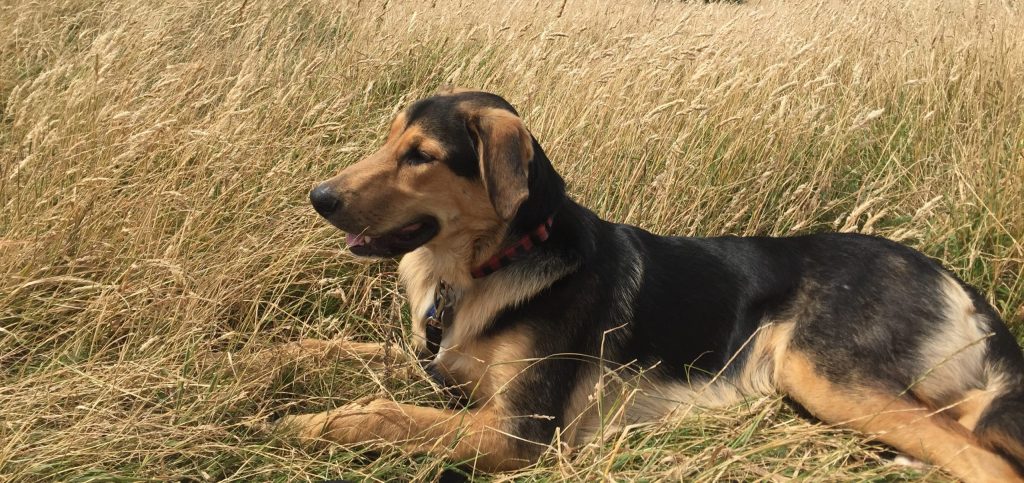
Symptoms of heat stroke in dogs
Heat stroke can be life-threatening.
- Breathing will become rapid, frantic and noisy
- The tongue and mucous membranes will become bright red
- Saliva will be thick
- Vomiting may occur
- Animals with heat stroke tend to walk very slowly, with a panicked expression, and be unaware of their environment
Heat stroke occurs when the dog struggles to get rid of the excess heat quickly enough. Their body temperature will start to rise above the normal 39 degrees celsius.
Bigger, older, or dehydrated dogs are all more likely to develop heat stroke – but fit, healthy dogs are affected too!
Remember that even relatively cool areas can be dangerous if the dog has limited or no access to cold water.
Once the body temperature exceeds 41-42 degrees celsius, damage can occur to the kidneys, liver, gastrointestinal tract, heart and brain.
If left unchecked, your dog will become progressively weaker, go into a coma and may die.
If your dog has symptoms of heat stroke, contact your vet urgently
To help a dog with suspected heat stroke:
- Move the dog into a cool, shaded area immediately
- Start cooling with COOL water (not cold). Let the water run continuously in the groin area, as there are large numbers of blood vessels there which will allow for more rapid cooling of the blood
- Use a fan or moving air to help with evaporation
- Offer them small amounts of cool water to drink, but don’t force it
DO NOT cover them with a wet towel as this will limit the evaporation.
Your vet will perform a thorough check and start any necessary treatment when they arrive, or when you arrive at the clinic.
Don’t forget about the bikes/utes and enclosed kennels
| Outside Temperature | Inside Temperature of vehicle after 10 minutes | Inside Temperature of vehicle after 30 minutes |
| 24° C | 34° C | 40° C |
| 26° C | 37° C | 43° C |
| 29° C | 40° C | 48° C |
| 32° C | 43° C | 51° C |
Heat stroke is avoidable:
- Try to schedule work early morning or late evening to avoid the worst of the heat
- Give your dogs frequent breaks in the shade and offer plenty of fresh water
- Give them opportunities to cool off in some kind of water source, like a creek or trough